







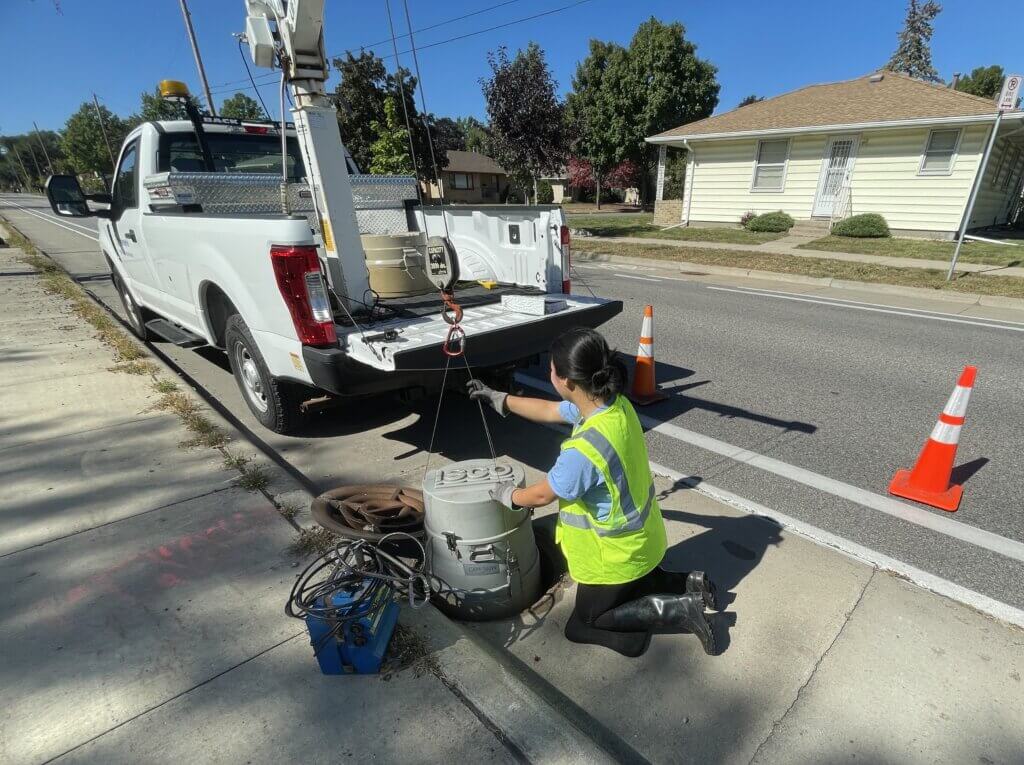
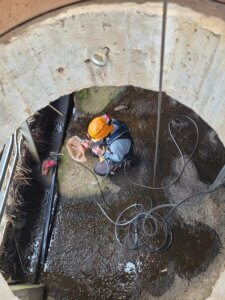
The Minneapolis Park and Recreation Board (MPRB) has been monitoring stormwater since the late 1990s. Stormwater runoff from our streets, lawns, and buildings eventually flows into our lakes and creeks. We monitor stormwater flowing through storm sewer pipes and best management practices (BMPs) such as stormwater ponds, grit-chambers, and other structures. We use automated samplers to collect samples for laboratory analysis. Long-term stormwater management is key to keeping lake water quality suitable for recreation and for sustaining plants and wildlife.
Stormsewer Management
National Pollutant Discharge Elimination System (NPDES): The 1977 Clean Water Act gave the Environmental Protection Agency (EPA) the authority to implement pollution control programs for regulating discharges of pollutants into surface waters. With this authority, the EPA created the NPDES program. The EPA has delegated permitting authority for Minnesota’s program to the Minnesota Pollution Control Agency (MPCA).
The NPDES program mandates that operators of a Municipal Separate Stormsewer System (MS4) have a NPDES permit. The primary goal of NPDES MS4 permit is to restore and maintain the chemical, physical, and biological integrity of waters of the state through management and treatment of urban stormwater runoff. The first NPDES MS4 Permit was issued to the City of Minneapolis Department of Public Works (MPW) and the MPRB as co-permittees in 2000. The permit requires Minneapolis to implement an approved Stormwater Management Program (SWMP). The purpose of the SWMP is to provide structure and guidance for the operation of the stormsewer system to minimize discharge of pollutants. Additional information regarding the NPDES MS4 Phase I Permit can be found on the City of Minneapolis Public Works website.
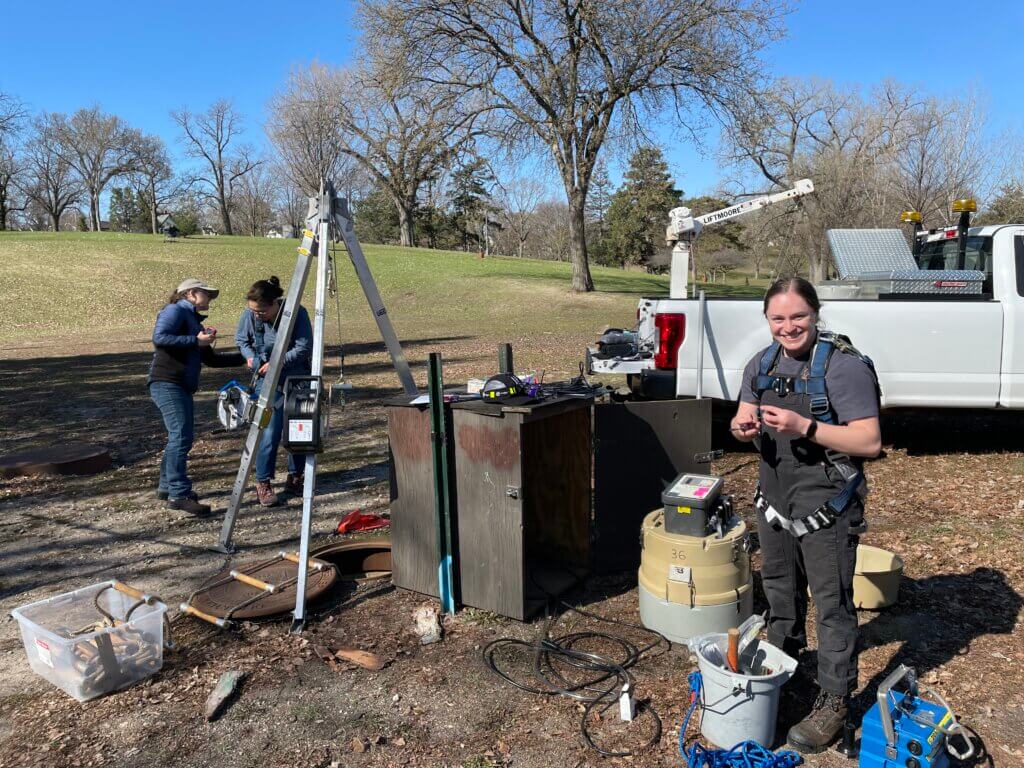
The purpose of stormwater monitoring is to understand how stormwater best management practices (BMP) work. Understanding BMP function allows Minneapolis to set cleaning schedules, determine when to repair BMP’s, and change future designs to increase pollutant removal.
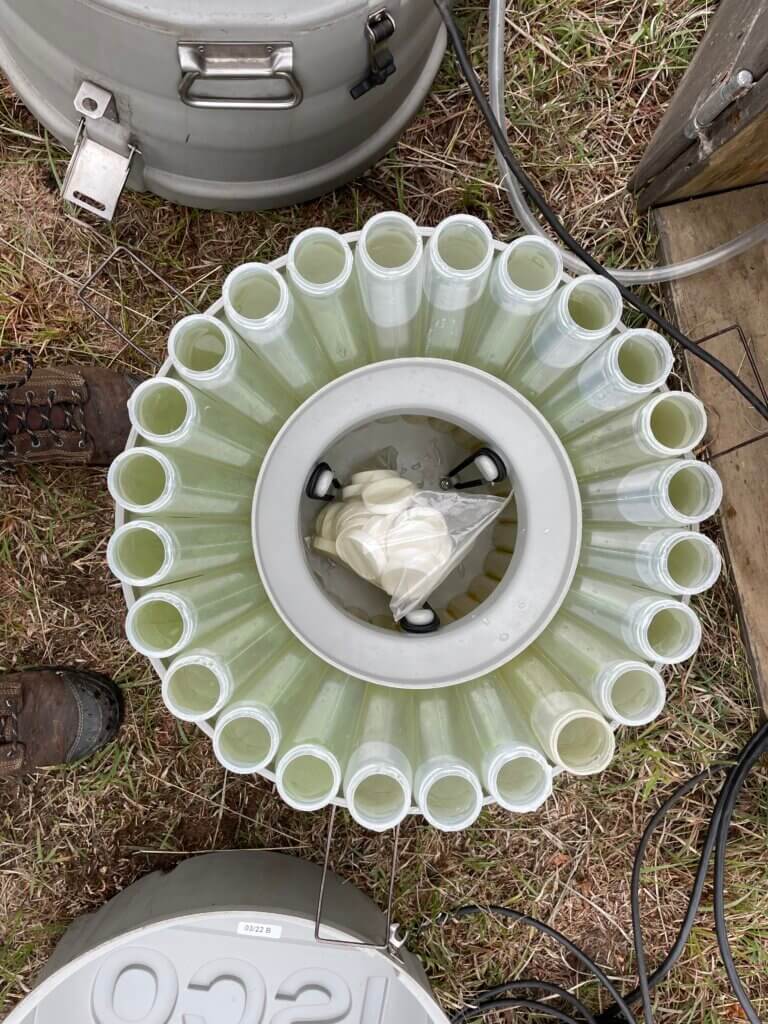
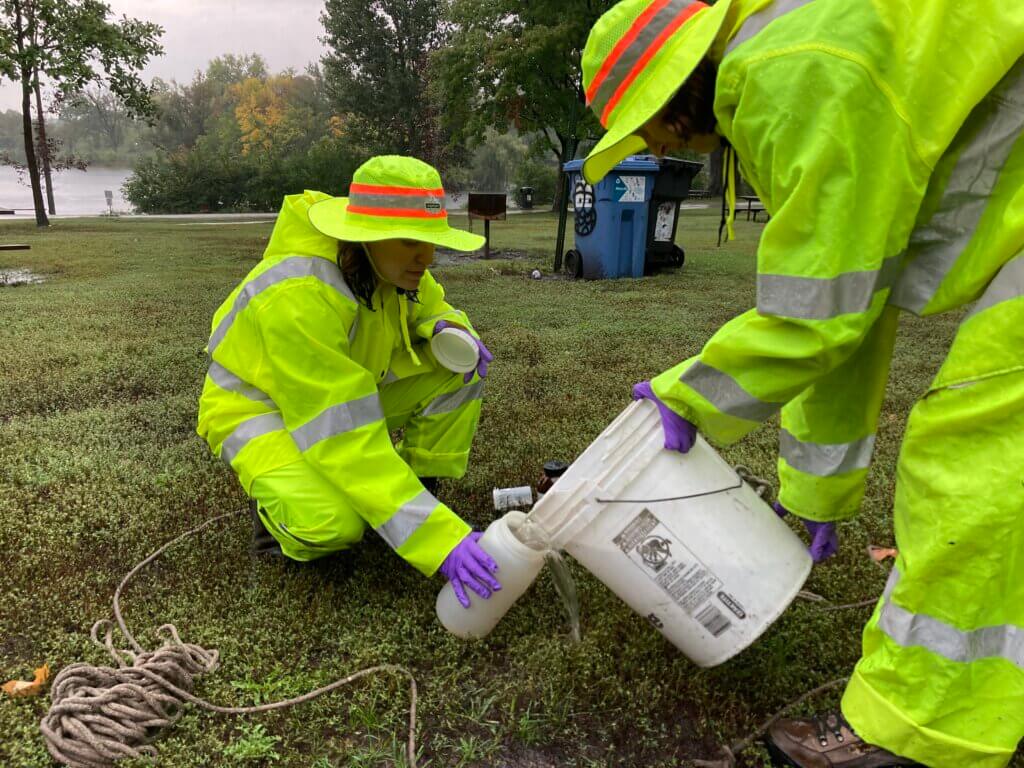
MPRB collects stormwater and snowmelt samples throughout the year at various locations in Minneapolis and reports this data annually as required by the NPDES permit.
Stormwater Ponds and Wetlands
Urbanization has led to drastic changes in the historical patterns of water movement. The implementation of stormsewers has created an effective system to quickly remove water from our streets. However, this also creates a streamlined pathway for pollutants and sediment to reach our waterbodies.
Stormwater BMPs such as treatment wetlands and ponds are being used throughout the park system to improve the water quality in our lakes and creeks. These structures help counteract the effects of urbanization by percolating stormwater through natural filters so that pollutants/sediment can settle out before reaching a water body.
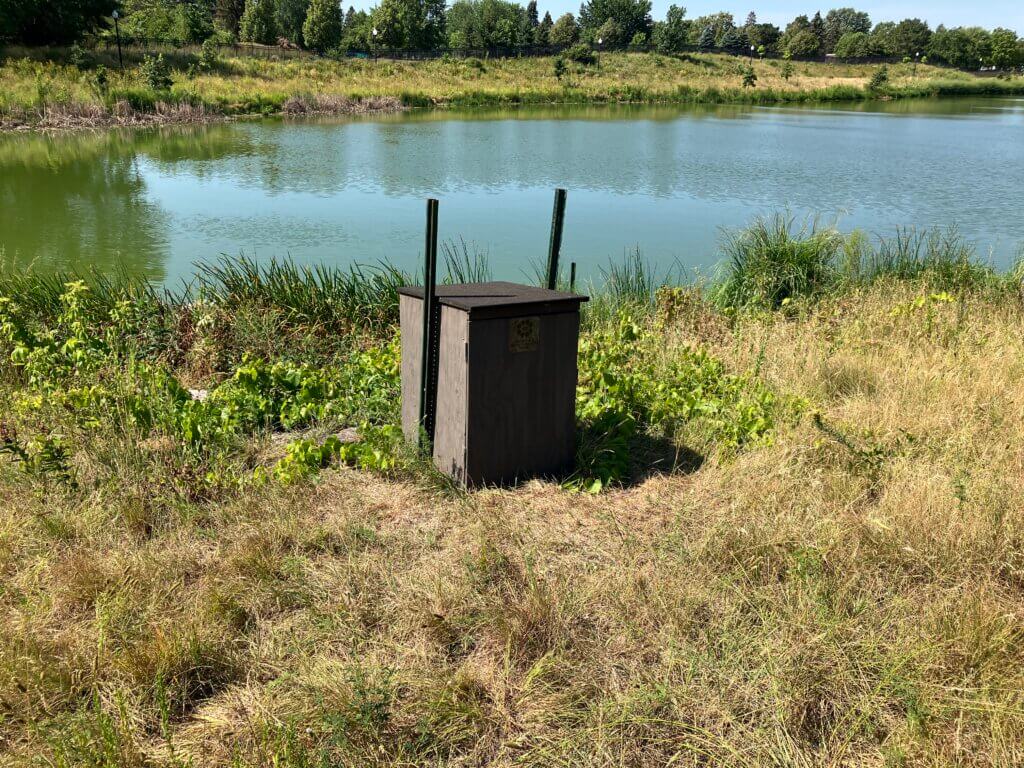
MPRB has partnered in the construction of several stormwater treatment ponds and wetlands, including:
- Cedar Meadows Wetlands
- Standish-Ericsson Neighborhood Association (SENA) Wetland
- Lake Harriet Subsurface Flow Wetland
- Southwest Bde Maka Ska Wetlands
- Lake Nokomis Wetlands
More Information
View the MPRB Water Resources Report and the NPDES Annual Report – City of Minneapolis for detailed annual monitoring data, data collection methods, and more.
Park Board Announcements
There are no announcements at this time. Please check back soon.