






Eloise Butler Wildflower Garden and Bird Sanctuary
Address
1 Theodore Wirth Pkwy
Minneapolis, MN 55405
Contact
Phone: 612-370-4903
Email: ebwg@minneapolisparks.org
Subscribe to Email Updates
 |
 |
Garden Map
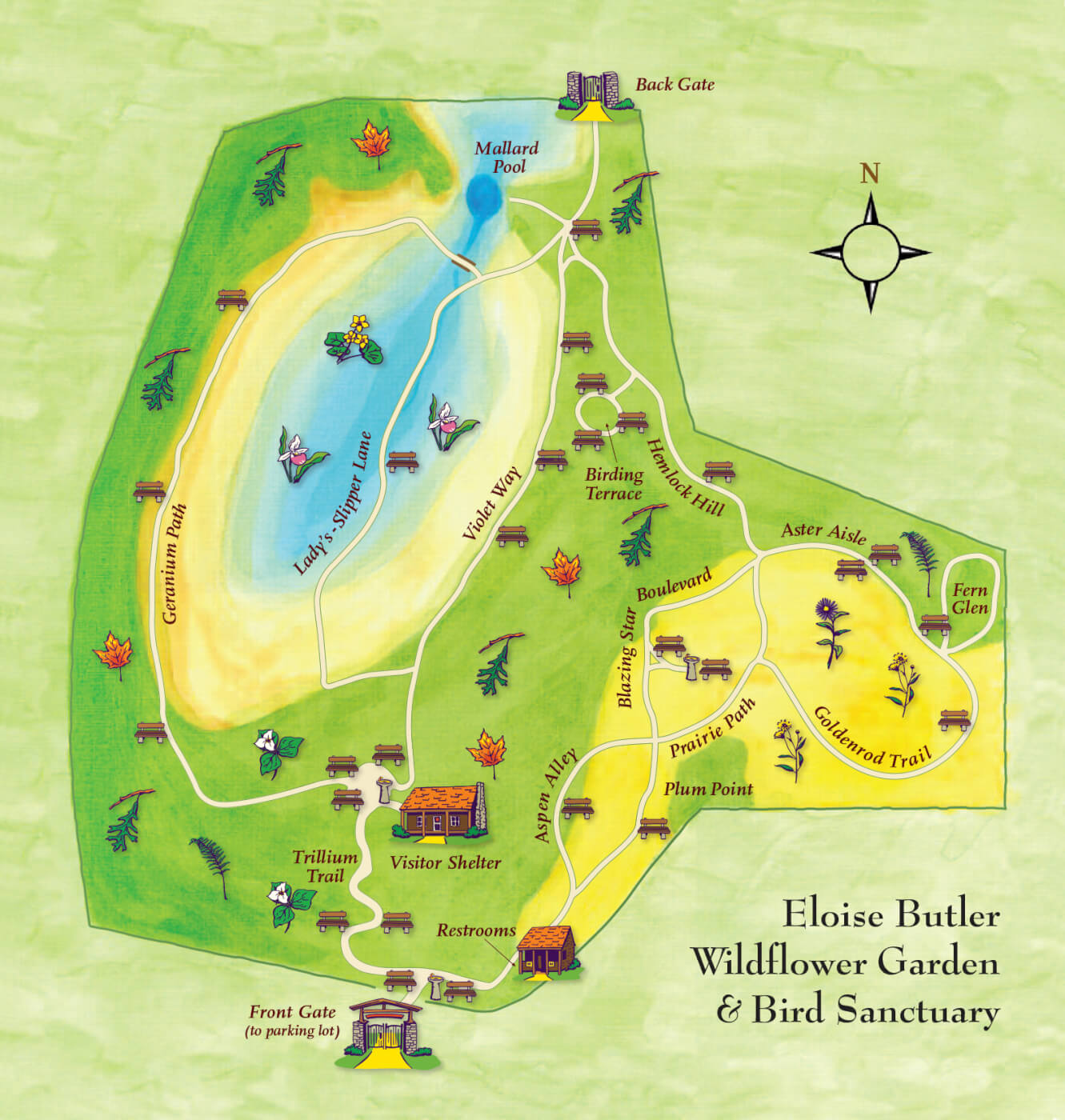
Click image to enlarge.
Season Dates & Operating Hours
Season
April 15-October 15
Weekends only October 17-18, 24-25 and 31
Hours
Tuesday-Sunday 7:30 am-6 pm
Closed Mondays
Thursdays open until 8 pm, April 15-August 31
Garden Visitor Shelter Hours
Tuesday-Sunday 10 am-6 pm
Closed Mondays
Thursdays open until 8 pm, April 15-August 31
Good to Know
Dogs and other pets are not allowed in the Wildflower Garden, with the exception of on-duty service animals.
Eloise Butler Wildflower Garden Photography Rules [PDF]
Improvements Projects
Wildflower Garden Entrance
Wildflower Garden entrance renovation design and planning work is underway, with construction TBD. Details and updates at Eloise Butler Wildflower Garden Entrance Renovation project page.
Operations and Visitor Comfort
Improvements are currently being planned, with construction TBD. Details and updates at EBWG Improvements project page.
Eloise Butler Wildflower Garden and Bird Sanctuary
Part of: Theodore Wirth Regional Park
View Photo GalleryDaily Garden Tours
Every open Garden day from 11am -11:45am
*Closed Mondays
Join a garden naturalist on a tour of the garden to learn about the garden’s history and seasonal wildflowers.
All programs meet outside the Martha Crone Visitor Shelter unless otherwise noted.
No registration necessary, all public programs are free and open to the public
For more information including program locations, check our Upcoming Events Calendar.
Events CalendarPrograms
Public Programs and Activities
Monthly Programs Calendar:
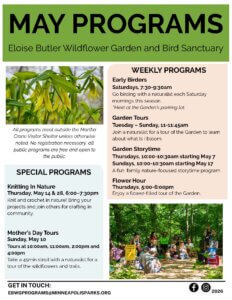
Click image to enlarge.
Garden Tours
Join a garden naturalist on a tour of the garden to learn about the garden’s history and seasonal wildflowers.
Daily Garden Tours
Every Open Garden Day
*Closed Mondays
11-11:45 am
Flower Hour
Thursdays, May – August, 5:00pm – 6:00pm
Birding Programs
Learn to identify and observe birds by sight and sound on a guided walk with a Garden naturalist.
- Early Birders – Saturdays, April: 8:30–10:30 am, May-August: 7:30-9:30 am
- Afternoon Birding Strolls – Tuesdays in June: 4-5 pm
Family Programs
Join us for kids’ nature stories and activities led by Garden naturalists.
- Garden Storytime – 10-10:30 am
Thursdays, May 7-October 8, Sundays, May 17-October 11 - Cuentos Infantiles en el Jardín – Spanish Storytime – 10-10:30am, Viernes, 5 de junio – 21 de agosto, Fridays, June 5 – August 21
Specialty Programs
A variety of specialty programs are offered throughout the seasons. There is something for everyone! See the Events Calendar for more details on the following programs.
- Knitting in Nature – Second and Fourth Thursdays of the month, May 14 – August 27, 6-7:30 pm
- Invertebrate Discovery Walks – Wednesdays in June: 4-5 pm
All public programs are free, no registration is necessary at this time.
Email or connect on social media for more info about upcoming programs: ebwg@minneapolisparks.org.
Sensory Friendly Information
The Garden has created a Social Narrative for visitors in the neurodiverse community and their companions. Check it out to plan your visit to the Garden!
What Will I See at the Garden? A Social Narrative for Individuals, Groups, and Families [PDF]
Programs Contact
If you have additional questions please email Garden staff at ebwgprograms@minneapolisparks.org.
Browse & Search ProgramsField Trips
Field trips are a wonderful way for your group to get to know the Garden with a Garden Naturalist.
Tours will be scheduled for groups of up to 20 participants or the size of one school classroom for school groups.
Tours can be scheduled Tuesday, Wednesday, and Friday between 10:30am and 4:30pm as program availability and staffing allows.
In lieu of a tour, it may be possible to schedule a 15-minute introduction and orientation to the Garden led by staff for a fee of $50.00 during a time when the Garden is open to the public.
Please fill out the form below to request a tour.
Group Tour Interest FormField Trips
Garden Naturalists at the Eloise Butler Wildflower Garden host field trips from early May through mid-October for groups of children including preschools, homeschool groups, day care centers, after school groups, summer camps and more! Field trips are organized by age-appropriate topics.
Space is limited, please schedule your field trip at least two weeks in advance.
Our one-hour field trips cost $5 per student. Adults/chaperones are free. We ask that there be one adult per 10 students (teachers count as one chaperone).
We will be outside for our programs! Please dress for the weather and to walk outdoors.
How long are field trips?
Field trips last one hour. We ask that groups plan to arrive 10-15 minutes before the program start time for a brief orientation.
How big will our groups be?
We aim for a ratio of 10 students per Garden Naturalist. Groups may be larger or smaller, but no larger than 15 students per Naturalist. Our minimum is five students per field trip. Due to staffing, we typically keep groups to a maximum of 20 participants. School groups are allowed to bring one full classroom of students — up to 30.
Who will lead our field trip?
Our knowledgeable and experienced Garden Naturalists will lead your field trip. It’s no exaggeration to say our experts bring their passion and excitement to the Garden every day!
Our Programs
Our field trips programs are arranged below by age. There’s something for everyone!
Pre-K – Kindergarten: Cultivating Curiosity
- Sensory Nature Hike (Botany)
Use your senses to explore the natural world! We might see exploding seeds, feel fuzzy leaves, sniff a sweet-smelling flower, or hear a hooting owl. We’ll do a nature quest while we hike and explore colors in nature. - Feathered Friends (Ornithology)
The Garden is a ‘hotspot’ for birding in the Twin Cities, with great opportunities to see many types of birds—woodpeckers, goldfinches, and warblers, and more! We’ll learn to use binoculars, hear bird calls, and learn about feathers.
1st – 3rd Grade: Laying the Foundation
- Tree-ology (Botany)
In this program, students learn about the tree life cycle. We’ll hike the Garden to find trees in different stages of life, discover animals that might live in a tree, and play a tree game to learn the parts of a tree! - Birding 101 (Ornithology)
How can we tell the difference between a cardinal and robin? In this class, you will find out! Learn the basics of birding while using binoculars, listening to bird calls, and checking out different types of nests. - Food Web Frenzy (Ecology)
Dive into the dynamic world of food webs! We’ll explore the Garden to uncover the connections between plants, animals, and fungi, embark on a scavenger hunt to spot key players, and build a giant food web to see how it all comes together.
4th – 6th Grade: Igniting Critical Thinking
- Wildflower Wonders (Botany)
Get up close and personal with wildflowers! Learn about the parts of a flower by sketching plants in your own nature journal (provided). Compare different types of flowers and look for the animal pollinators. - Be a Bird (Ornithology)
How (and why?) do birds come in all shapes and sizes? Let’s find out! We’ll learn about different adaptations by looking at types of bird beaks, go for a birding hike with binoculars, and check out different birdcalls.
4th – 12th Grade: Quaking Bog Ecology
- Quaking Bog Adventure
Learn about the unique ecosystem of one of Minnesota’s southernmost bogs. We’ll learn how a bog forms over time and explore the unusual plants specially adapted to the harsh conditions of life in a bog
7th – 12th Grade: Becoming Stewards
- Stewarding Biodiversity (Botany)
Come learn about managing a landscape to maximize plant diversity. We’ll learn about various strategies to keep introduced species at bay and native species flourishing in the Garden and surrounding areas. - Count Your Birds (Ornithology)
Learn how to use a field guide to identify bird species. Students will divide into groups to count birds in the Garden. Garden Naturalists will teach students how to submit the data collected to the Cornell Lab of Ornithology
Additional Information
Can I apply for a scholarship or funding?
Yes! Some scholarships are available to reduce the cost per student or to subsidize bus transportation costs. Please note if a reduced program fee is being requested in the ‘special requests’ section of the Special Tour Interest Form. You may also fill out a request for transportation expense assistance for school groups. The transportation grants are offered by the Friends of the Wildflower Garden.
Transportation Funding Assistance
To apply for transportation funding assistance, please complete the form below.
Transportation Funding Assistant RequestHomeschool Groups
There is a $5 fee per person for additional adult participants. For larger groups, extra naturalists are assigned to ensure a high-quality, personalized experience for everyone.
Guided Tours
Adult group tours are a wonderful way for your group to get to know the Garden with a Garden Naturalist.
Tours will be scheduled for groups of 5 to 20 participants. One Naturalist is scheduled for every ten participants.
In lieu of a tour, it may be possible to schedule a 15-minute introduction and orientation to the Garden led by staff for a fee of $50.00 during a time when the Garden is open to the public.
Please fill out the form below to request a tour.
Group Tour Interest FormCost and Scheduling
Tours last one hour and are offered Tuesday, Wednesday and Friday with starting times between 10:30am-4:30pm, from early May to mid-October.
Please schedule your group’s visit at least two weeks in advance.
The cost of a guided tour is $10 per participant.
Guided tours last one hour. We ask that groups plan to arrive 10 minutes before the program start time to ensure the tour begins at the scheduled time.
Garden Naturalists
A knowledgeable Garden Naturalist will lead your guided tour.
What to Expect on a Guided Tour
A Garden Naturalist will greet your group at the Garden’s front gate. During your guided tour, the Naturalist will share information about the Garden’s history, point out the best places to see what is currently in bloom, and answer questions you might have along the way.
Preparing for Your Visit
All tours take place outdoors.
Please encourage participants to wear sturdy shoes and clothing appropriate for the weather. The Garden is often cooler than expected and it’s a good idea to have an extra layer of clothing available in the spring and autumn months.
Tours are cancelled only in the case of severe weather.
The trails of the Garden are narrow and covered with fine, shredded woodchips. Due to the topography of the Garden, some of our trails can be steep and rugged. If individuals in your group require assistance walking, please contact us. Rustic outhouses are located near the front gate. Running water and drinking fountains are seasonably available. There are no picnic facilities within the Garden. Picnic areas are located near the Garden in Theodore Wirth Park across from the Wirth Lake Beach parking lot, off Glenwood Avenue (about ¼ mile from the Garden)
The Garden Through the Seasons
The 18 acres within the Garden gates consist of three garden areas: woodland, wetland and meadow. Each garden area is full of interesting plants from our region that are planted and maintained in a naturalistic style.
Each area has a peak flowering season when the majority of the flowering plant species found in that habitat are in bloom.
Throughout the seasons the Garden changes dramatically and each visit will be a unique experience with new discoveries.
Garden Area/Peak Flowering Seasons
Woodland: early April until early June
Wetland: mid-June until late September
Meadow: late July until early October
Girl Scouts
Girl Scout programs are a wonderful way for your group to get to know the Garden with a Garden Naturalist!
Girl Scout programs are available Tuesday, Wednesday, and Friday with start times between 10:30am – 4:30pm from early May through mid-October.
Space is limited, please schedule your troop’s visit at least two weeks in advance.
Please fill out the form below to request a Girl Scout Program.
Group Tour Interest FormProgram Information
Group Size
We can accommodate groups of 5 to 20 participants.
To ensure the best experience, one Naturalist is scheduled for every ten participants.
Please bring one chaperone for every five scouts.
Cost and Scheduling
Girl Scout badge programs are 75-minute programs.
The cost is $5 per participant. Chaperones are free.
Additional adults may participate for a fee of $5/person. For larger groups, extra naturalists are assigned to ensure a high-quality, personalized experience for everyone.
Garden Naturalists
Our Garden Naturalists will lead your program. It’s no exaggeration to say our experts bring their passion and excitement to the Garden every day!
Girl Scout Badges
Girl Scout Badges
Each 75-minute program will meet the badge requirements for your troop.
Choose from the following badge programs:
Daisy Programs
Eco Learner
Nature gives us many gifts—learn some ways to give back by protecting nature.
- Be prepared to protect nature before you go outdoors
- Keep living things safe when you walk in nature
- Learn how to protect nature from trash
Outdoor Art Maker
Explore the outdoors and use what you see and hear to make art projects.
- See the colors of nature
- Hear the sounds of nature
- Share your outdoor art
Brownie Programs
Senses
You have five senses that work together to let you see, hear, smell, taste, and touch the world around you. Try using all five in this badge!
- Look around
- Listen to the world
- Put your nose to work
- Take a taste test
- Touch and feel
Bugs
Explore the world of bugs and learn more about these tiny creatures.
- Draw a bug poster
- Try a bug craft
- See bugs in action
- Explore bug homes
- Take a bug field trip
Junior Programs
Flowers
Discover there’s more to flowers than just their good looks.
- Uncover the science of one flower
- Look under the petals
- Find out how flowers help people
- Have fun with flowers
- Send a message in flower code
Gardener
Find out how to plant your own garden, no matter where you live.
- Visit a garden
- Explore garden design
- Learn how to choose garden plants
- Experiment with seeds
- Grow your own garden
Cadette Programs
Trees
Find out all about trees: from their shade to their science, the fruits of the forest, and the legends of lumber industry.
- Try some tree fun
- Dig into the amazing science of trees
- Make a creative project starring trees
- Explore the connection between people and trees
- Help trees thrive
Senior Programs
Eco Explorer (partial badge)
Become an eco explorer as you get hands-on experience while learning about environmental issues that make positive changes to the environment.
- Meet an eco explorer
- Explore biodiversity
- Investigate a global ecosystem issue
Outdoor Art Expert
Learn to see nature with an artist’s eye and create a project that’s helpful to the environment.
- Explore art outdoors
- Make something!
- Create or share music inspired by nature
- Capture nature digitally
- Design outdoors
Amenities
Amenities
- Botanic Garden
- Visitor Shelter
- Free 45-space parking lot
- Drinking fountains (May-September)
- Rustic restrooms
ADA-accessible temporary toilet (in the parking lot) - Walking paths
- Public art
Good to Know
The 18-acre garden is home to more than 600 plant species and 130 bird species and receives 40,000-60,000 visitors each year.
Wirth Lake Beach, picnic shelters, and additional hiking trails located just outside the garden’s gate.
Other gardens in Theodore Wirth Regional Park:
Dogs and other pets are not allowed in the Wildflower Garden. On-duty service animals are allowed (on trails and in buildings) in the Wildflower Garden. Dogs are allowed on leashes in greater Theodore Wirth Regional Park and many other parks in the park system.
Informal photos of plants and garden areas for personal use are permitted while remaining completely on the trails at all times. Posed and commercial photography is prohibited in the Wildflower Garden.
Glorious Gardens
From grand expanses to hidden gems, gardens throughout the park system offer flowers, history, sculpture, community hubs and more.
This garden will be affected by an improvement project. View Eloise Butler Wildflower Garden Operations and Visitor Comfort Improvements.
Garden Details
Trail: The narrow, winding trails of the Garden lead you through a variety of habitats in hilly terrain. Multiple routes can be selected for a shorter or longer walk. The total trail length is over one mile.
Neighborhood: Bryn – Mawr
Service Area: Southwest
60,000 annual visitors enjoy spectacular seasonal displays of native wildflowers in woodland, wetland and meadow areas. Each area creates a different habitat that fosters different types of plants, animals and birds.
Nestled in the garden is the Martha Crone Visitor Shelter where you will find natural history displays, natural history reference materials and friendly staff and volunteers waiting to help with garden-related questions.
Peak Display Times
April and May (Woodland)
Bloodroot, wild ginger, trillium, bluebells, trout lilies
June and July (Wetland)
Showy lady’s-slippers, native irises, cardinal flowers
Mid-to Late-Summer (Meadow)
Asters, sunflowers, blazing stars, goldenrods
Fall (throughout)
Late-season flowers and autumn leaves
Rentals & Permits
Photography:
Commercial and posed photography are not permitted at the Eloise Butler Wildflower Garden. Please see the Eloise Butler Wildflower Garden Photography Rules [PDF] for more information.
Rentals:
The Eloise Butler Wildflower Garden is not available for rentals.
Go to Rentals & Permits for information about photography permits and rental options for other Minneapolis Park and Recreation Board locations.
Annual Patron Parking Permit:
Enjoy parking privileges in specially designated spaces at some of our most popular regional parks. View parking permit details.
History
As demand for the expansion of Glenwood Park grew, a new development gave the park one of its signature features, a unique wildflower garden that is cherished still. In early 1907 Eloise Butler, John Greer and others petitioned the park board for space in Glenwood Park to establish a botanical garden. The park board granted the request and set aside three acres of bog, meadow and hillside for the Wild Botanical Garden, the first public wildflower garden in the United States. The board also allocated a modest sum for paths and fencing of the area and on April 27, 1907 announced that the garden had opened.
The person who took charge of the garden as a volunteer was a retired botany teacher, Eloise Butler, who for years had taken her students to the park for botany lessons. Butler tended the garden for four years as a volunteer until in 1911 the Minneapolis Womans Club petitioned the park board to appoint a full-time curator for the garden. The club offered to pay half a year’s salary for a curator. When that wasn’t enough to get the park board to act, the club increased the offer to a full year’s salary if the park board would retain the position and pay the salary after that. The park board agreed. The person the Womans Club recommended to be the curator was Eloise Butler.
Eloise Butler created such a magnificent wild garden—collecting, protecting, preserving and cataloguing wild plants and offering free botany classes—that the park board named the garden in her honor in 1929. In 1933, at the age of 81, she died on her way to work. Her ashes were spread in her garden and the park board held a memorial service and planted a pin oak tree in the garden in her honor, noting that “Every plant in her garden was her living child, upon whom she bestowed her devotion and care.”
Butler was succeeded by her assistant, Martha Crone, who remained in charge of the garden until 1959. Upon Crone’s retirement, she was succeeded by Ken Avery. The shelter in the garden is named for Crone and the terrace is named for Avery. An important addition to the park occurred in 1944, when Clinton O’Dell, a successful Minneapolis businessman—he created the Burma Shave rhymes seen along highways — and former botany student of Eloise Butler, contributed $3,000 to expand the garden to include ground for upland or prairie varieties of plants, rather than the primarily woodland plants that Butler’s original garden could accommodate. O’Dell also helped form in 1951 The Friends of the Wild Flower Garden, which has contributed time and money for the maintenance and improvement of the garden ever since.
History through 2008 written by David C. Smith, with updates from 2009 to present written by MPRB.
Historical Timeline
August 3, 1851: Eloise Butler is born on a farm near Appleton, Maine. Growing up roaming the woods, meadows and bogs, she pursues a career as a botany teacher.
1874: Eloise moves to Minneapolis and teaches school for 36 years, taking her students “botanizing” in the bogs of what is now Wirth Park. She also takes course work at Harvard University, Woods Hole and the University of Minnesota, and field work in Jamaica and Vancouver Island, BC.
1907: Eloise and other botany teachers successfully petition the Minneapolis Park Board to create a natural botanic garden to preserve native flora as the city grew. Three acres of bog, meadow and hillside are properly fenced and the Wild Botanic Garden opened April 27, 1907.
1911: Eloise retires from teaching and is officially appointed garden curator; for the first time she is paid for her gardening labor.
1924: The garden expands thanks to her persistence, spending $700 of her own money to fence five acres that need protecting. She adds to garden’s collection by moving plants from natural areas in Minneapolis and greater Minnesota, and importing from the East Coast. Calling herself a “Wild Gardener,” she sees her wild plant hunting as great adventure.
1927: The garden is re-named Eloise Butler Wildflower Garden in her honor.
1933: Eloise Butler dies while working in the garden at age 81. Martha Crone, volunteer and friend, succeeds her as garden curator. She goes on to rescue plants from impending development. The garden expands and the upland prairie garden is created.
1952: Friends of the Wild Flower Garden Inc. is founded by Clinton Odell to support garden projects.
1959: Martha retires (she dies in 1989 at age 92). Ken Avery is designated head gardener. He adds plants native to Minnesota and is the first to use controlled burns to manage upland prairie.
1970s: Dutch Elm Disease and drought take their toll on shade-giving elms. As a result the garden becomes sunnier, the bog drier and wildflowers suffer. Replanting of trees and replacing wildflowers has been ongoing since the late 1970s.
1987: Ken retires and is succeeded by Cary George. He removes invasive species, installs trail signs, laminated maps and wooden station posts. The garden is expanded by one acre and native wildflower species are added. He maintains the garden’s historical context by adding and nurturing plant species that once flourished there, such as Tamarack.
2004: Susan Wilkins succeeds Cary George who retired in 2003. As garden curator, Susan develops volunteer programs to battle invasive species, expands adult and youth educational opportunities in Garden, and plants thousands of native plants annually. Susan co-facilitated the development of the Garden’s first Management Plan, adopted in 2010.
2015: The first section of a new boardwalk winding through the garden’s wetlands opens. The boardwalk’s decking was made from ash trees harvested as part of the MPRB Forestry Department’s Emerald Ash Borer Preparedness Program. The boardwalk bridge looking toward Mallard Pond is dedicated to Cary George.
Get Involved
The Eloise Butler Wildflower Garden and Bird Sanctuary is an 18 acre, historic, native plant-focused botanic garden with a collection of over 640 plant species. This public garden is a treasure to nature lovers of all ages and wildflower enthusiasts from near and far.
More than 150 volunteers contribute time and energy each season at the Wildflower Garden in the field and as informal docents. By joining one of the Wildflower Garden volunteer programs, you will get to know the Wildflower Garden and the community that supports and visits it in a meaningful way. You’ll be able to share your talents and interests while learning about the plants, birds, and other wildlife of this urban oasis.
Volunteer Opportunities
Wildflower Garden Informal Docent Volunteer Opportunities
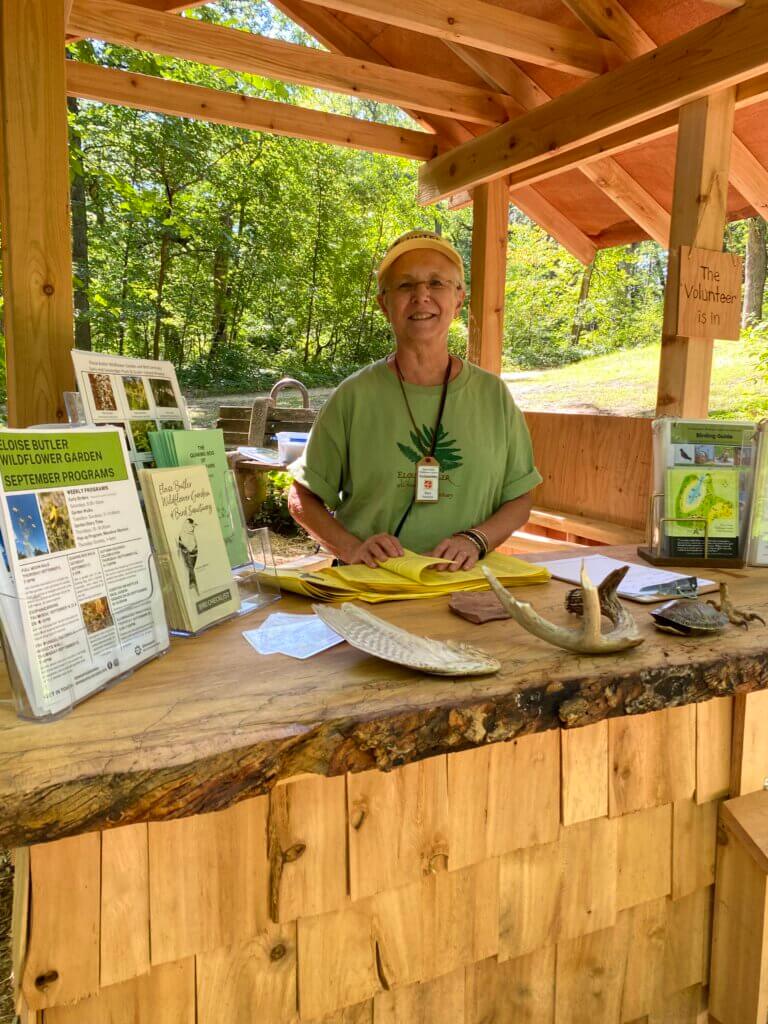
Docent Volunteers are an important part of the Wildflower Garden community. They welcome visitors to the Garden and Visitor Shelter, share information about programs and Garden resources, answer questions about plants in bloom, and assist with other similar tasks.
Docent volunteers provide these services to visitors at the Welcome Kiosk and in the Martha Crone Visitor Shelter on weekdays and weekends, primarily in the mid-morning to early afternoon hours. Shifts are generally 2.5-3 hours long. Each season, Garden staff and volunteers have over 50,000 engagements and conversations with visitors!
Requirements:
- Required training sessions are held in the spring each year.
- Volunteers must be 18+ years old and pass a background check.
- Other requirements are enthusiasm about the natural world, good people skills, and the ability to volunteer a minimum of 8 shifts per season April through October.
Are you interested in volunteering in this program?
Please send an email to the Friends Volunteer Coordinator at: volunteers@friendsofeloisebutler.org
This program is coordinated by volunteers from the Friends of the Wildflower Garden with support from Minneapolis Park and Recreation Board (MPRB) staff. MPRB staff provide training and support for volunteers during volunteer shifts.
Wildflower Garden Field-Based Volunteer Opportunities
Greater Eloise Volunteer Stewards
The work of dedicated volunteers from this long-standing volunteer program has transformed the natural areas of South Theodore Wirth Regional Park surrounding the Wildflower Garden.
Join the Greater Eloise Stewards for regularly scheduled events throughout the year.
Meet others who are interested in the natural world while actively assisting with bringing natural areas in South Wirth Park into greater ecological health.
A trained volunteer leads drop-in volunteers on evenings and weekends to assist with removing weedy plants, hauling brush, planting, seeding and other activities. Your name will be added to the Friends’ Greater Eloise email list and you will be contacted via email periodically with information about future events. Then simply show up, learn about the activities of the day, and get started!
This program is coordinated and led by volunteers from the Friends of the Wildflower Garden.
Interested? Please send an email to the Friends Volunteer Coordinator at: volunteers@friendsofeloisebutler.org.
You can also visit the Eloise Butler invasive plant volunteer information webpage to learn more and click “Add your name to our email list” to be notified of volunteer opportunities with the Friends of the Wildflower Garden.
Group Service Projects
Bring your group together to assist Garden staff with projects like trail mulching and weeding in the entrance meadow! Groups ranging in size from 5-20 volunteers can take part in one-time service projects here that support the health and beauty of the Wildflower Garden.
For more information on options for your group at the Wildflower Garden, reach out to Sarah Woutat, Environmental Volunteer Groups Coordinator for the Minneapolis Park and Recreation Board at swoutat@minneapolisparks.org
Additional Information
If you’re interested in our volunteer opportunities at the Eloise Butler Wildflower Garden please click the button below to apply.
Volunteer Application FormTo learn about other garden volunteer opportunities within the Minneapolis parks system learn more here: View All Garden Volunteer Opportunities.
The health of our gardens and natural areas relies on the many community members who share their time helping to maintain and improve our parks. Join us!
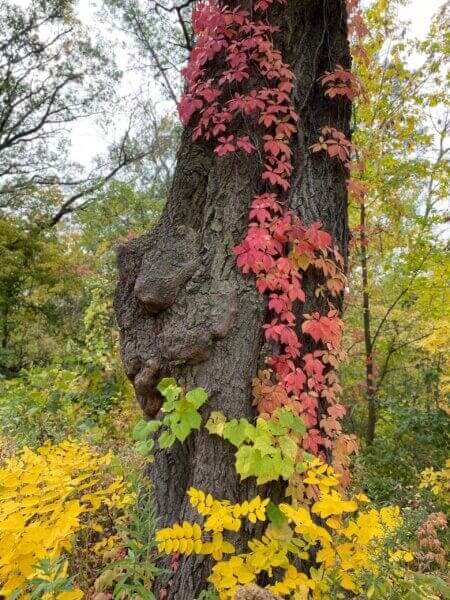
Autumn Colors
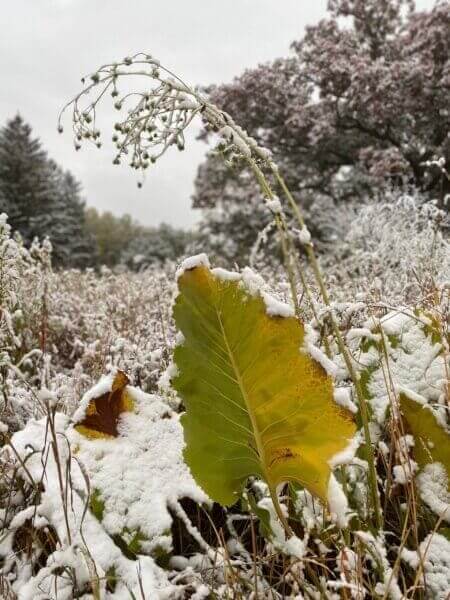
October Snowfall in the Garden
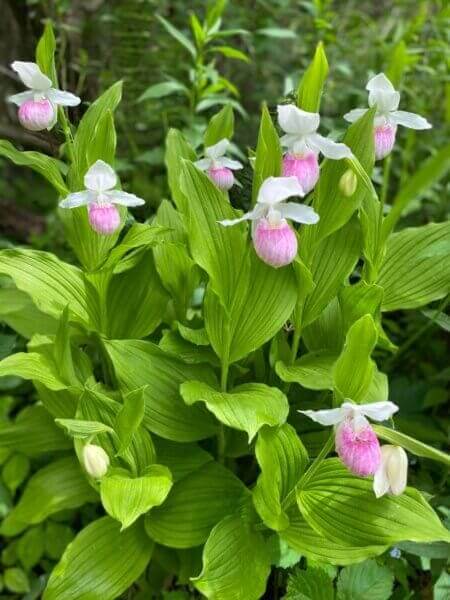
Showy Lady's Slipper in June
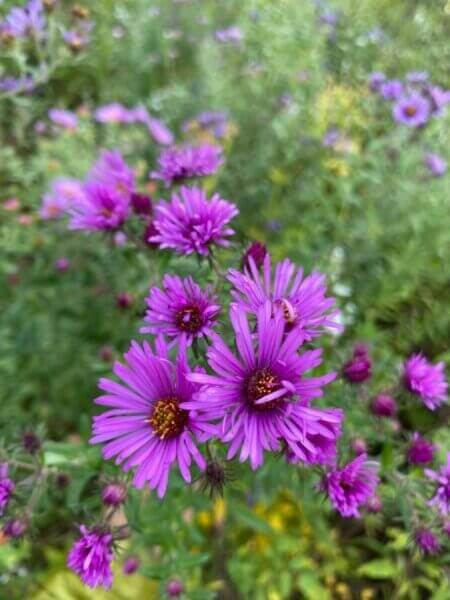
New England Aster
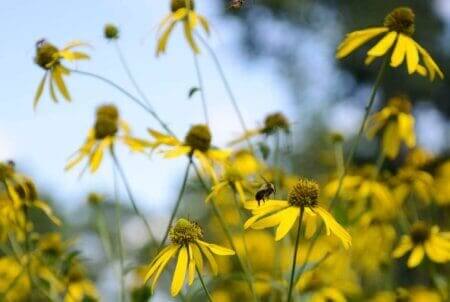
Native Pollinators n the Eloise Butler Wildflower Garden
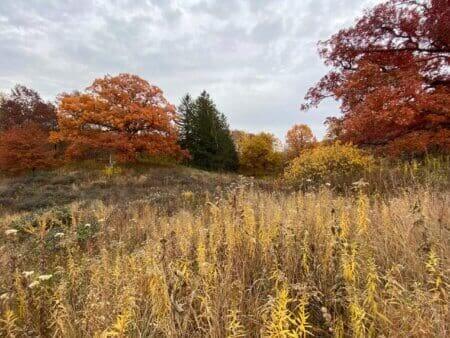
The Upland Meadow in Late Fall
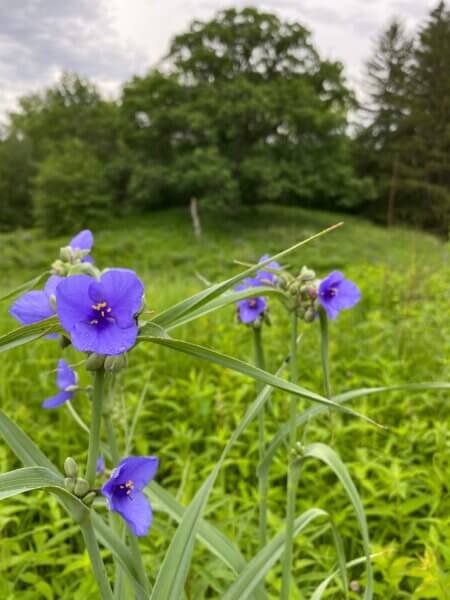
Bluejacket in the Upland Meadow
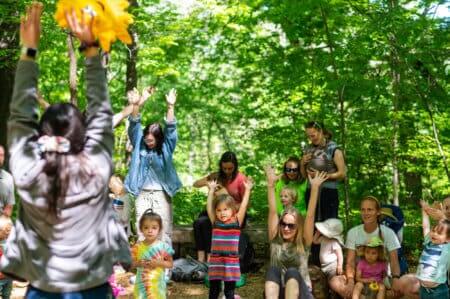
Storytime at Eloise Butler Wildflower Garden
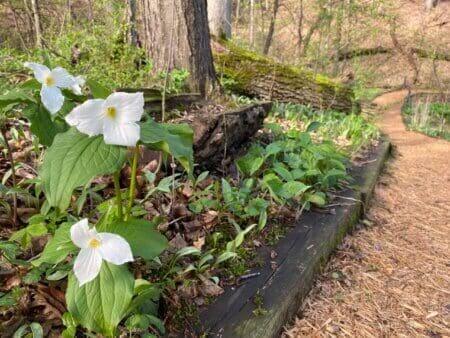
Trillium on Geranium Way
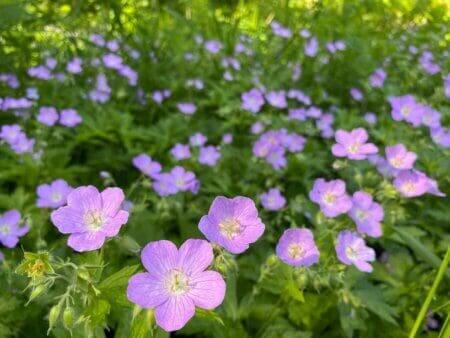
Wild Geranium
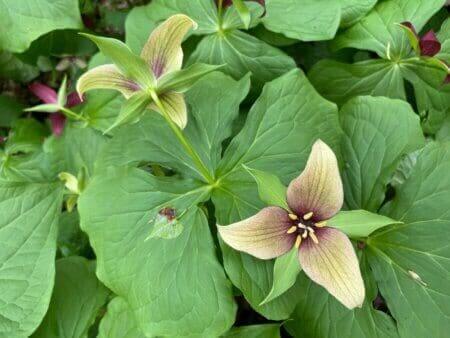
Red Trillium in Spring
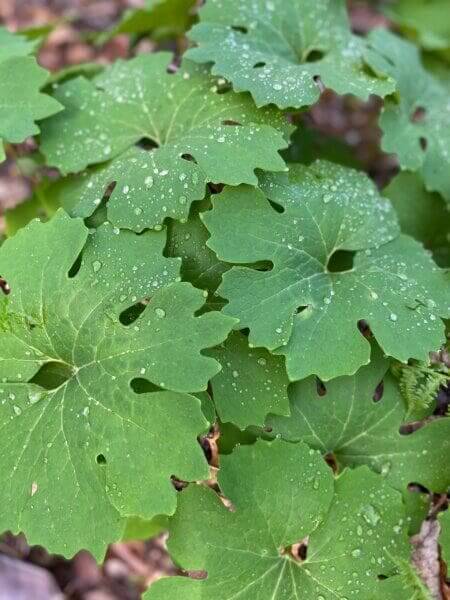
May Apple in the Woodland
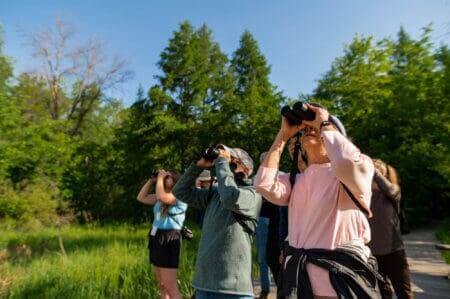
Morning Birdwatching Walk at Eloise Butler Wildflower Garden
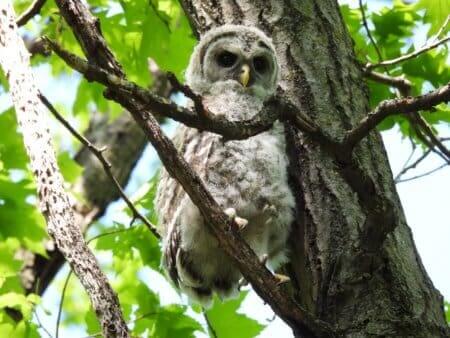
Barred Owl Fledgling
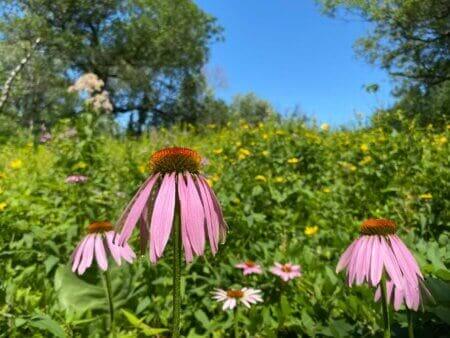
The Upland Meadow in July
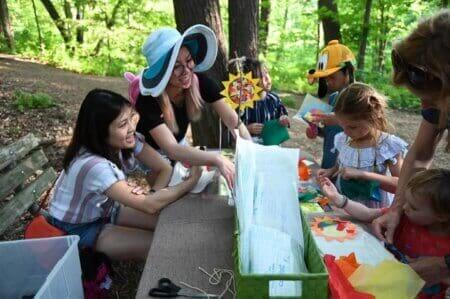
Nature Craft in the Garden
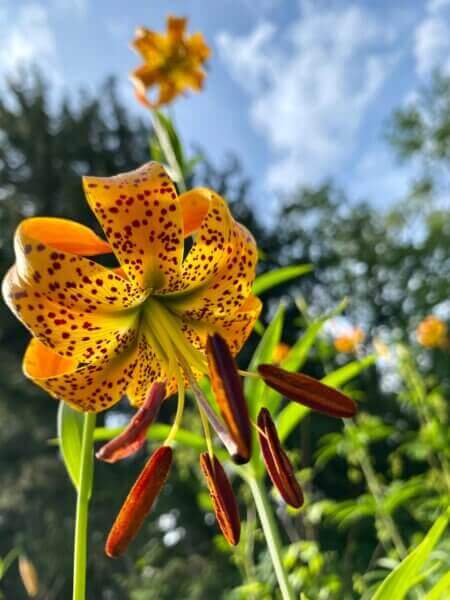
Turk's Cap Lily in Bloom
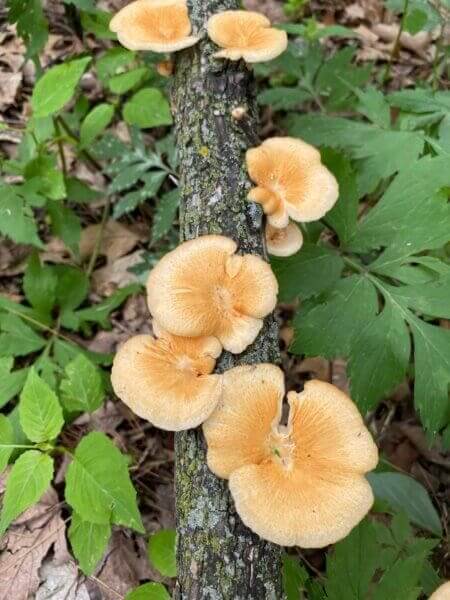
Mushrooms on a Log
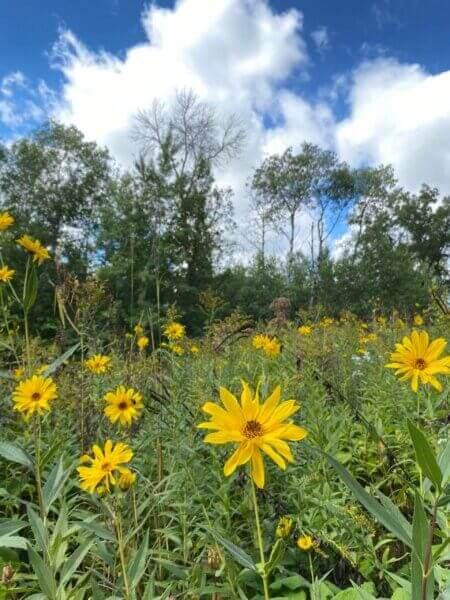
Meadow Highlights
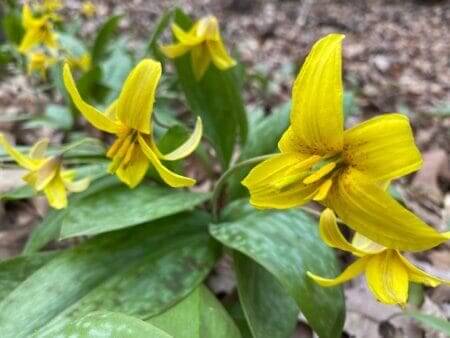
Yellow Trout Lily
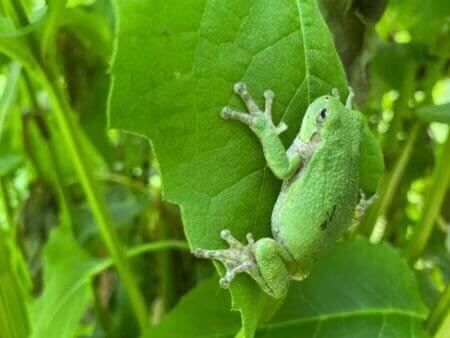
Tree Frog in the Garden
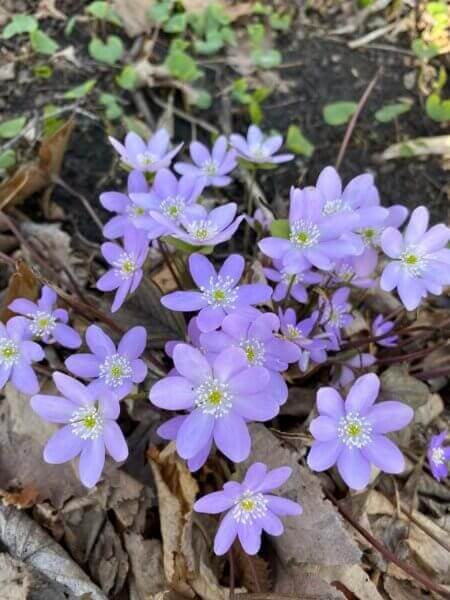
The Earliest of Spring Wildflowers
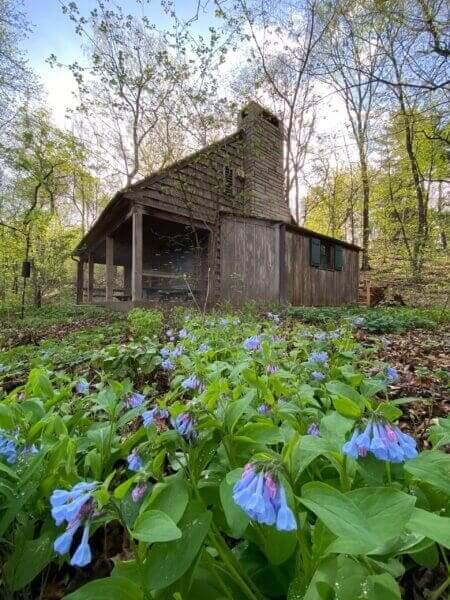
Bluebells at the Martha Crone Visitor Shelter
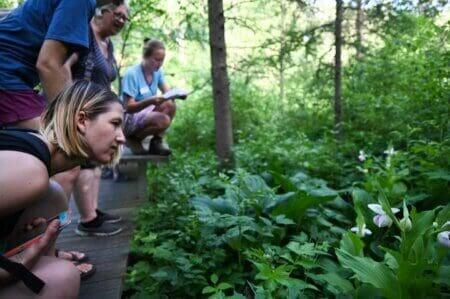
Summer Solstice Event at Eloise Butler Wildflower Garden.
People participate in the Summer Solstice event at Eloise Butler Wildflower Garden.
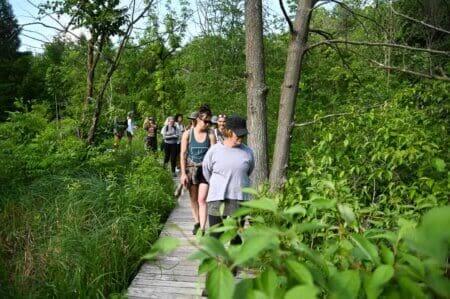
Garden Walks at Eloise Butler Wildflower Garden
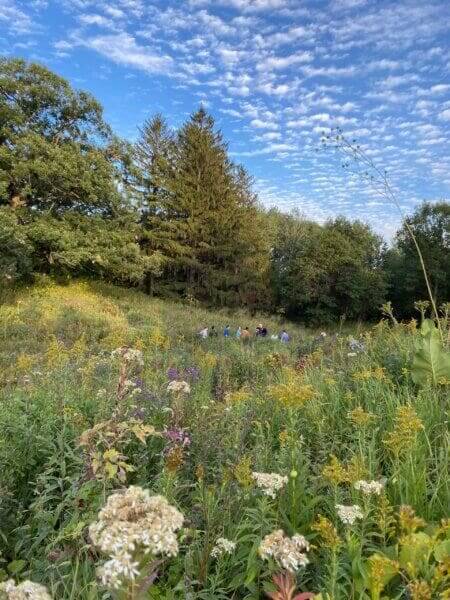
Late Summer Meadow Walk
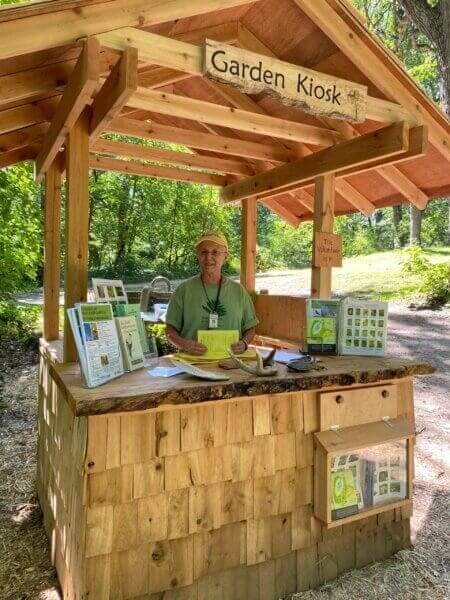
Volunteer at the Garden Kiosk
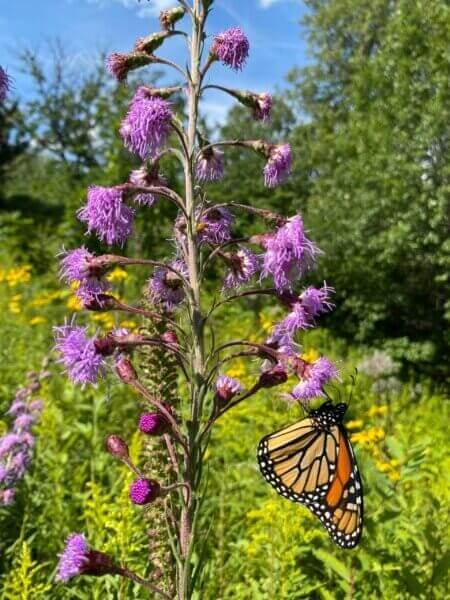
Monarch Butterfly
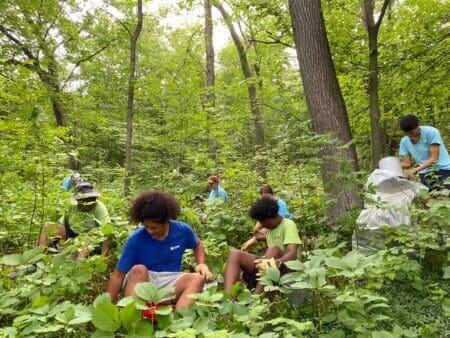
JD Rivers' Youth Crew
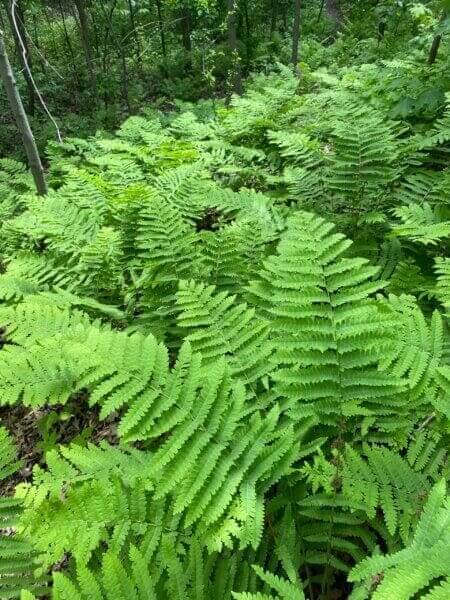
The Fern Glen
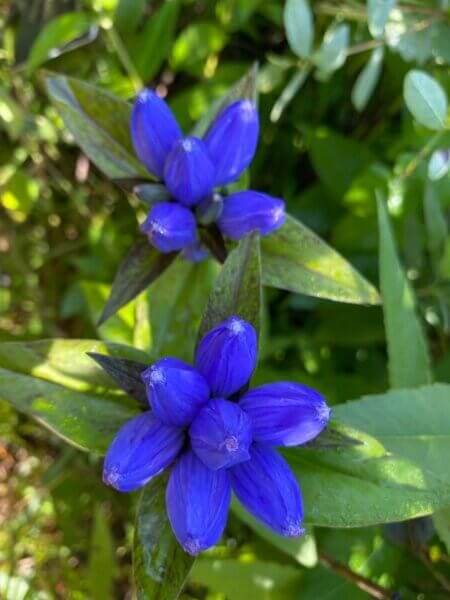
Fall Blooming Blue bottle Gentian
Park Board Announcements
There are no announcements at this time. Please check back soon.